What Do I Need to Know About Section 179?
Section 179 allows businesses to save on equipment and upgrades for their operations. With a Section 179 deduction, you can deduct the full purchase price and reduce the business' tax burden. Here are some important things to know:
- Businesses qualify for the full Section 179 deduction if they spend less than a total of $4,090,000 on equipment
- Businesses may not deduct more than $2,560,000 in 2026
- New and pre-owned vehicles qualify for Section 179 deductions
- Qualifying vehicles may also be eligible for 100 percent bonus depreciation under Section 168(k)
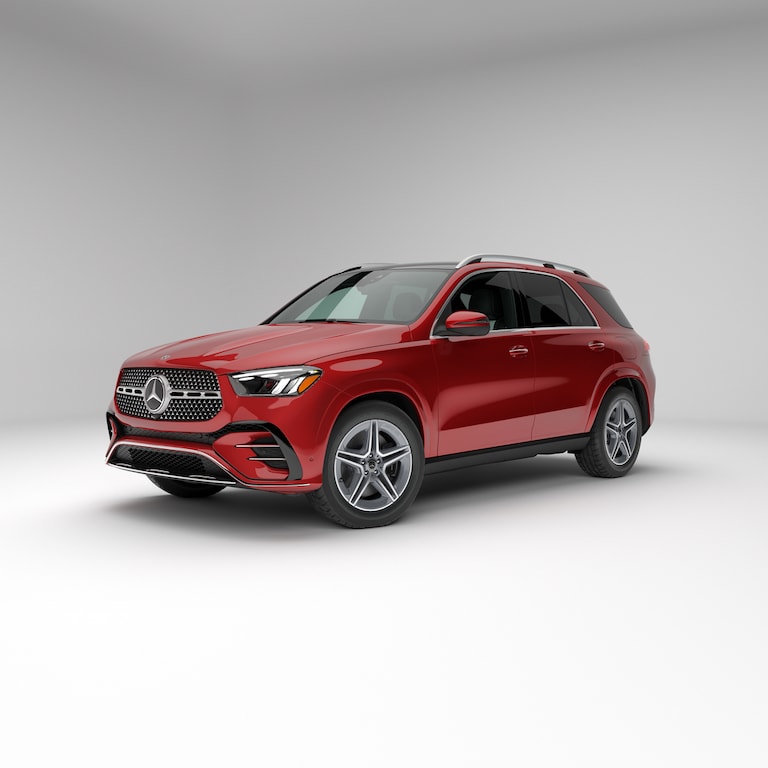
- There is a deduction cap of $32,000 on SUVs weighing between 6,000 and 14,000 pounds, such as:
- Mercedes-Benz GLS 580 4MATIC
- Mercedes-Benz GLS 600 4MATIC
- Mercedes-Benz G 550 4x4 Squared
- Mercedes-Benz AMG G 63 4MATIC SUV
Section 179 and the Mercedes-Benz Sprinter Van
A new Mercedes-Benz Sprinter Van purchased for business use may qualify for a Section 179 deduction of up to $32,000. For a business taxed at the 21% federal corporate rate, a $32,000 deduction works out to up to $6,720 in federal tax savings.* The remaining cost of a qualifying van may be eligible for 100 percent bonus depreciation under Section 168(k).**
Browse new Sprinter inventory, learn about our fleet programs and member savings, or see current Mercedes-Benz Vans national offers. After the sale, our Van Center at 1684 Rohrerstown Road in Lancaster keeps your Sprinter working with VanCARE Express Service.
Section 179 Frequently Asked Questions
Can I use Section 179 on a pre-owned vehicle?
Yes. Pre-owned vehicles can qualify for Section 179 as long as they are new to your business and used for business at least 50 percent of the time.
Can I combine Section 179 and bonus depreciation?
Yes. Many businesses apply Section 179 first and then use bonus depreciation under Section 168(k) on the remaining cost. For qualifying property acquired after January 19, 2025, bonus depreciation is 100 percent.
When does my vehicle need to be in service?
To claim the deduction on your 2026 tax return, the vehicle must be purchased and placed into service for business use by December 31, 2026. A vehicle that is purchased but not put to work before year end does not qualify for the 2026 tax year.
Is the Section 179 deduction limited by business income?
Yes. The Section 179 deduction cannot exceed your business's taxable income for the year, and any amount over that limit can generally be carried forward to future years. Bonus depreciation does not have this income limit.
How do I claim the Section 179 deduction?
Section 179 is elected on IRS Form 4562, Depreciation and Amortization, filed with your business tax return. Your tax professional can confirm the right approach for your business.
Contact the Finance Center at Mercedes-Benz of Lancaster for More About Section 179 Deductions
Get the vehicles you need now with Section 179 deductions. Mercedes-Benz of Lancaster has new and pre-owned Mercedes-Benz SUVs and Sprinter Vans to enhance your business capacity and improve your bottom line. Shop new inventory or pre-owned inventory, start a finance application, or contact us and ask our Finance Center experts for more information about qualifying vehicles.
Always consult your tax preparation experts about Section 179 deductions and tax impacts on your business.
*$6,720 tax savings based on 21% federal corporate tax rate and eligibility to claim full $32,000 IRS Section 179 tax deduction for qualified vehicles. Your tax rate and eligibility may vary. Please consult a tax professional for more information on your federal tax rate and potential savings available to you for qualifying purchases. This information does not constitute, nor is it intended to be, legal, tax, financial planning or investment advice and should not be relied upon as such. $32,000 tax deduction for qualifying vehicles based on current Section 179 of U.S. tax code and maximum deduction permitted for such vehicles under Section 179. Vehicle must be purchased for business use. Please consult your tax advisor.
**Tax incentives, including Section 179 and Section 168(k), may be available for qualifying vehicles. Taxpayers may be entitled to U.S. federal income tax deductions and/or credits for purchases of vehicles that are placed in service in a trade or business during 2026. Determining the proper income tax treatment of any vehicle purchase requires careful consideration of several factors including, but not limited to, the applicable laws, regulations, and guidelines, the characteristics and attributes of the particular vehicle purchased and the purchaser's income tax situation. Each purchaser's tax situation is unique and the available tax benefits and the applicable federal tax laws, regulations and guidelines are subject to change without notice. Therefore, customers must consult their tax advisor to determine the proper tax treatment of any vehicle purchase(s). For more information, visit www.irs.gov. This information does not constitute, nor is it intended to be, legal, tax, financial planning or investment advice and should not be relied upon as such.